

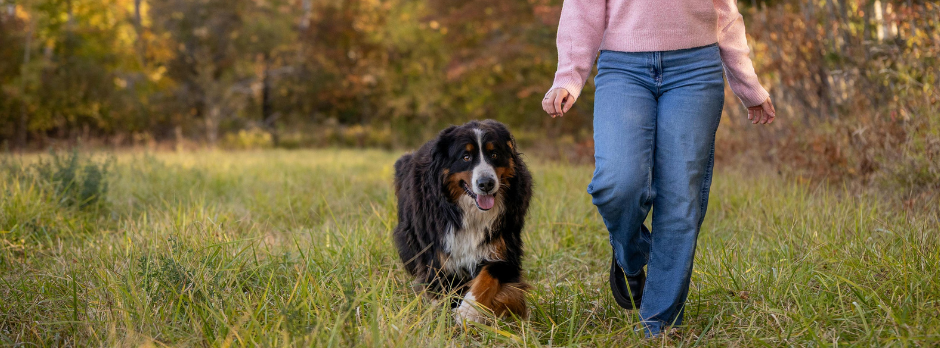
What if you could enjoy more good days with your dog?
Canine massage therapy for dogs living with pain
Have you noticed your dog:
Moving differently - stiff on rising, hesitant to jump, not playing with friends
Showing behaviour changes - grumpiness, anxiety, snappy with other dogs or humans
Sensitive to touch, or difficult to handle
Showing signs you can't quite put your finger on, despite vet visits that haven't found anything
Anxious or reactive, and you've struggled to find someone who can work with them
Living with a diagnosis like arthritis, hip dysplasia, or lumbosacral stenosis, and you want to do everything you can alongside your vet
Dogs are remarkably good at hiding pain. The signs, when they do show up, are easy to miss or explain away.
If you’ve found yourself Googling symptoms at odd hours, wondering whether it’s pain or age or just personality, that instinct is worth listening to.
“Benji is now able to enjoy his off-lead times without limping and it’s less of a struggle for him to remain in one place to toilet.”
Arthritis, hip or elbow dysplasia, luxating patella
Chronic pain or stiffness
Lameness or changes in how your dog moves
Lumbosacral stenosis or other spinal/neurological conditions
Changes in daily life - reluctance to jump, hesitation on stairs, slowing on walks
Anxiety, tension, or behaviour changes
Senior dogs showing signs of ageing
Keeping performance dogs fit - agility, obedience, working trials
Canine massage can help with:
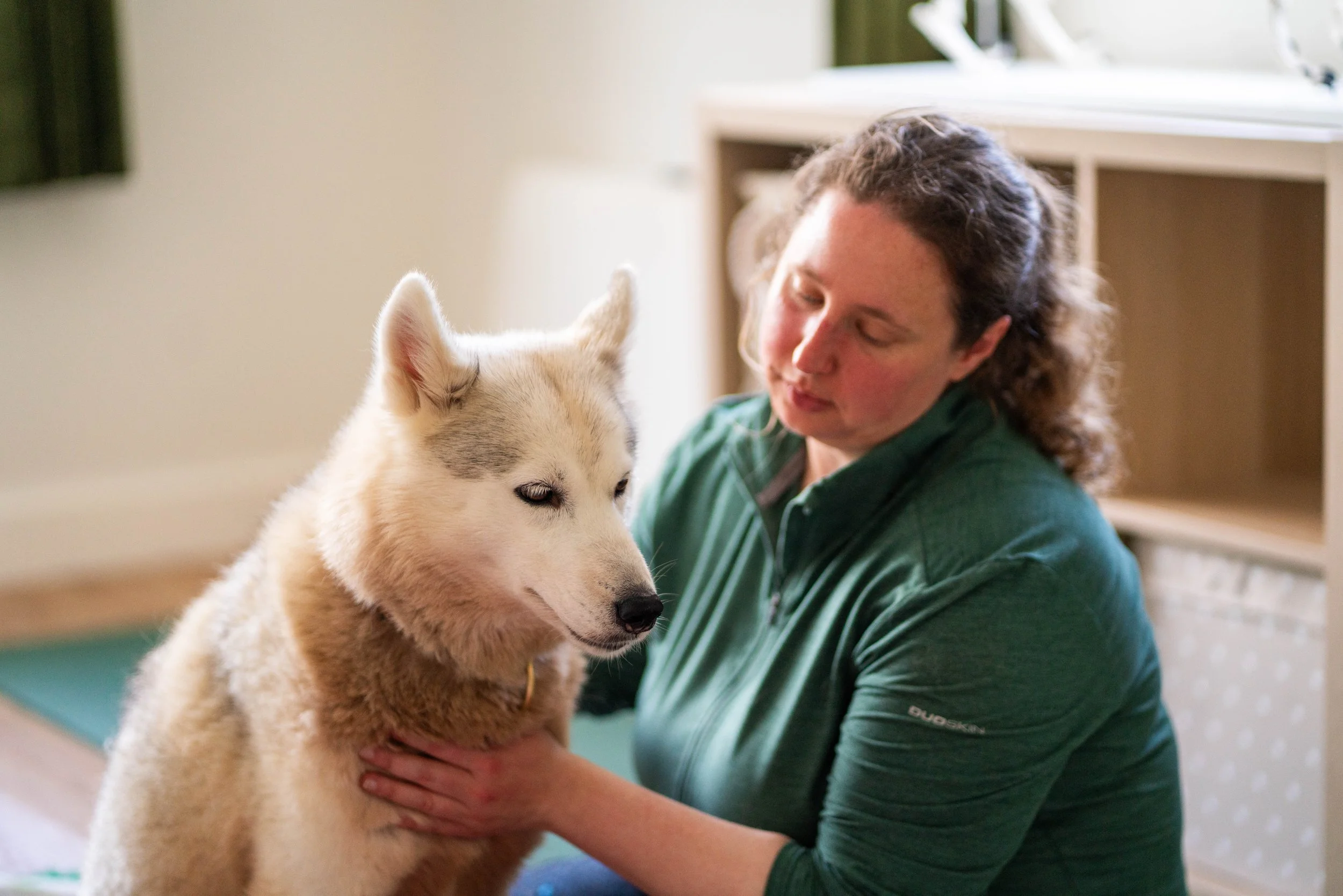
When your dog's in pain it's not just them who suffers
You might be feeling:
Worried something is wrong, even if you can't prove it
Guilty that you didn't spot the signs sooner
Exhausted by the process - tests, appointments, insurance limits
Unsure whether what you're seeing is pain, age, or something else entirely
Grieving the life you'd imagined with your dog
Dreading conversations about quality of life or what comes next
Anxious that you’ll be judged for your dog’s behaviour at appointments
What changes when you and your dog get the right support
Canine massage is a hands-on therapy that works with your dog’s muscles and soft tissue to reduce pain and support movement.
For many dogs - and their owners - that means:
A clearer picture of what’s going on for your dog, and how to support them
Someone in your corner, helping you to join the dots
A dog who’s more comfortable, more settled, and more themselves
Improvements in mobility, behaviour, and daily life
Finding ways to expand you and your dog’s world again
A team approach - working alongside your vet and other professionals, not instead of them
“Sarah was incredibly in tune with my dog, respecting her limits and responding immediately to any signs of discomfort. Just as importantly, she took the time to listen to me as an owner, offering reassurance and understanding during a really difficult period. Her warmth, patience, and genuine compassion made a real difference to both of us. The massage sessions brought noticeable comfort to my spaniel and gave us something positive during a challenging time”
What to expect
1. Free chat
Before anything else, we’ll have a free chat to talk through what’s going on with your dog and whether massage is likely to be a good fit. There’s no obligation, and it’s a chance for you to ask any questions before committing to an appointment.
2. Vet consent
If we decide to go ahead, you’ll need to get a consent form signed by your vet before your first appointment. This is a legal requirement under the Veterinary Act 1966, and most vets are happy to help. I’ll provide the form and talk you through what’s needed.
Your first session is longer to allow time for a thorough consultation and to go at your dog's pace. We'll talk through your dog's history, daily life, and what you've been noticing, and I'll carry out a gait and postural assessment before moving into the first treatment. It's a relaxed, unhurried appointment. There's plenty of time for questions, for your dog to settle in, and to talk through what I've found before you leave.
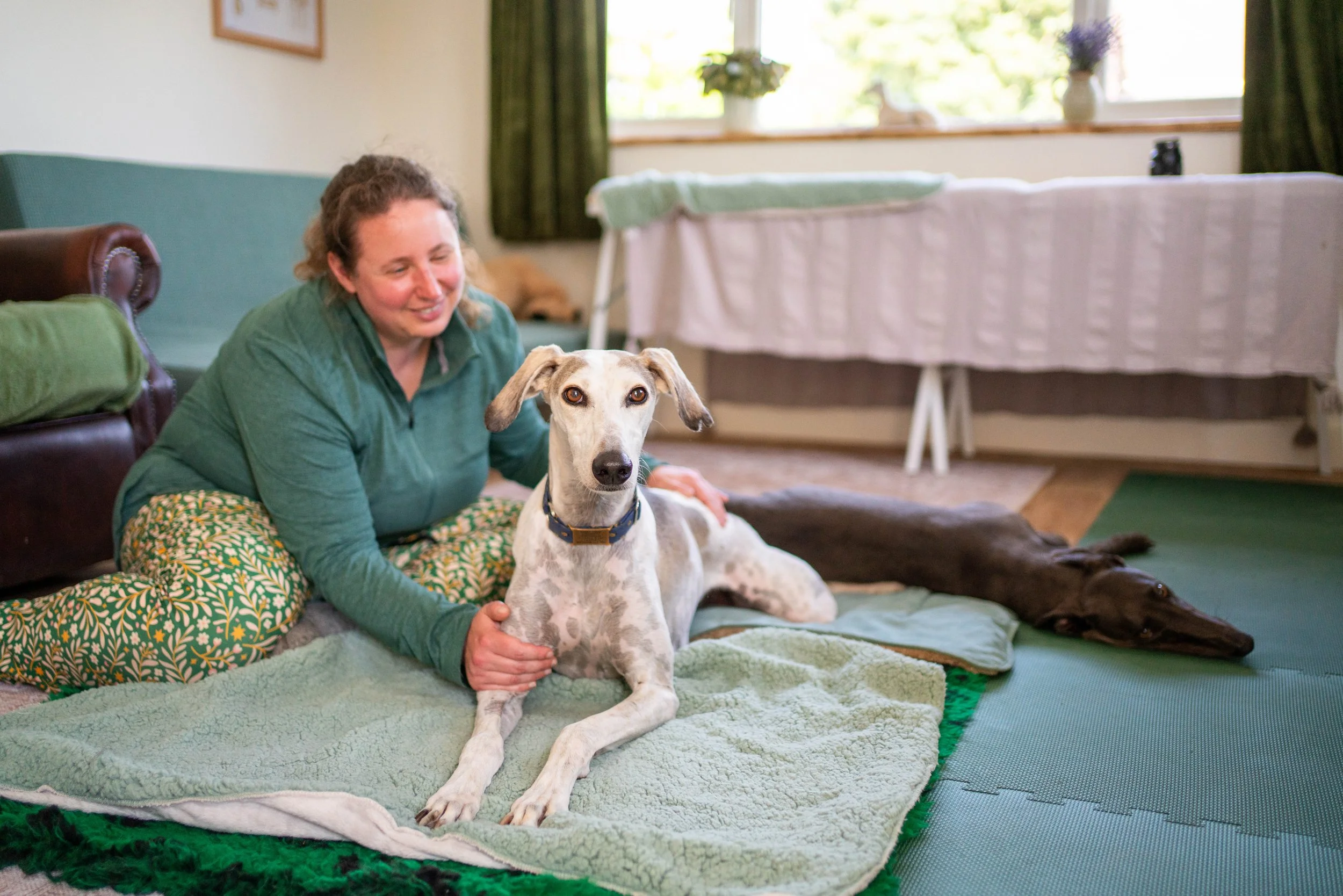
The session takes place in a calm, quiet treatment room, near Wrexham, designed with dogs and humans in mind.
3. Initial appointment (90 minutes) Cost: £75
4. Follow-up sessions Cost: £60
After the initial appointment, follow-up sessions run for around 60 minutes. How often your dog needs to be seen will depend on their condition and how they respond to treatment. Most dogs show some improvement within one to three treatments, though this varies from dog to dog.
5. Three-session review
After your first three treatments, we'll take stock together. This is a chance to look at how your dog is responding, talk through what you've noticed at home, and plan what ongoing support might look like.
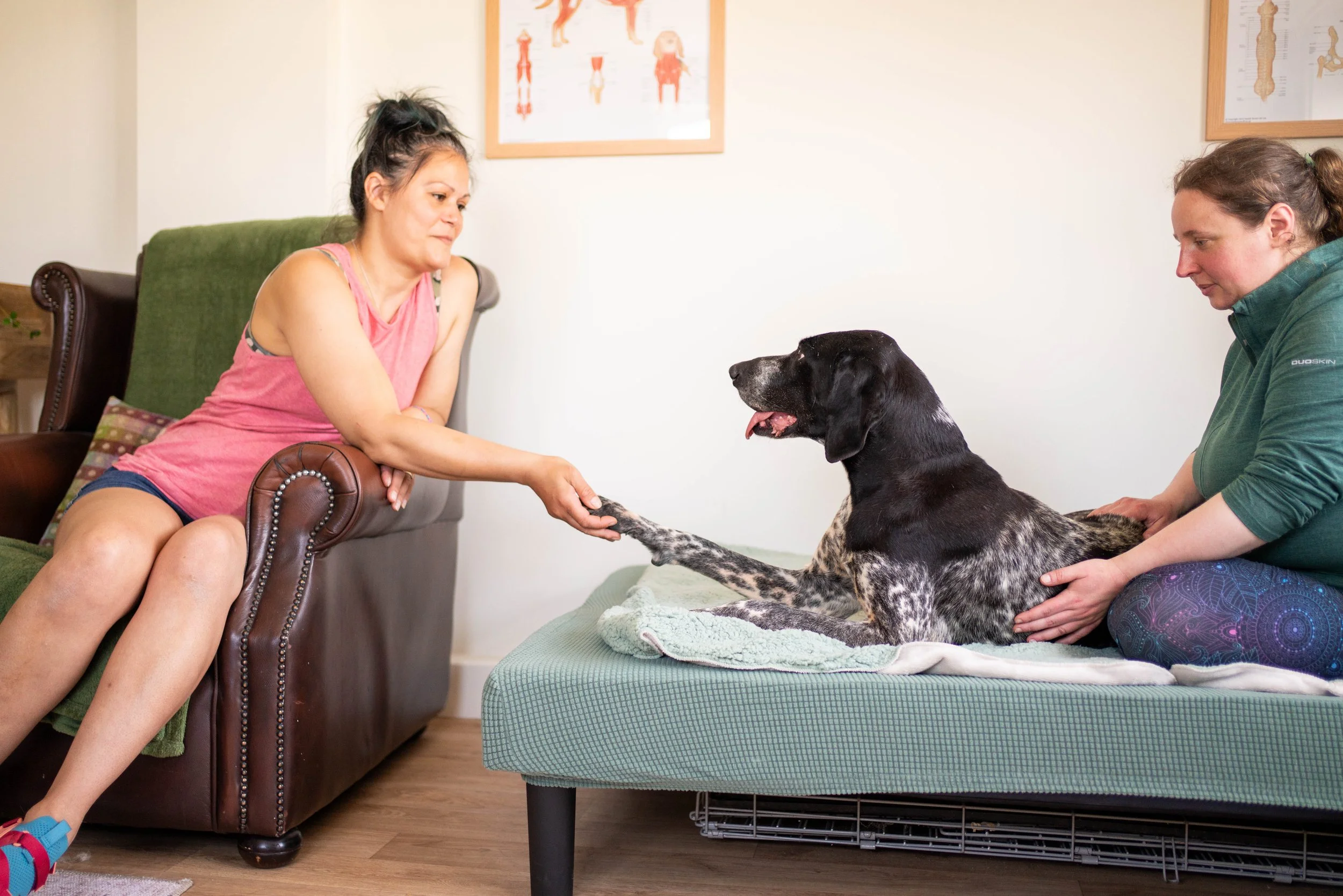
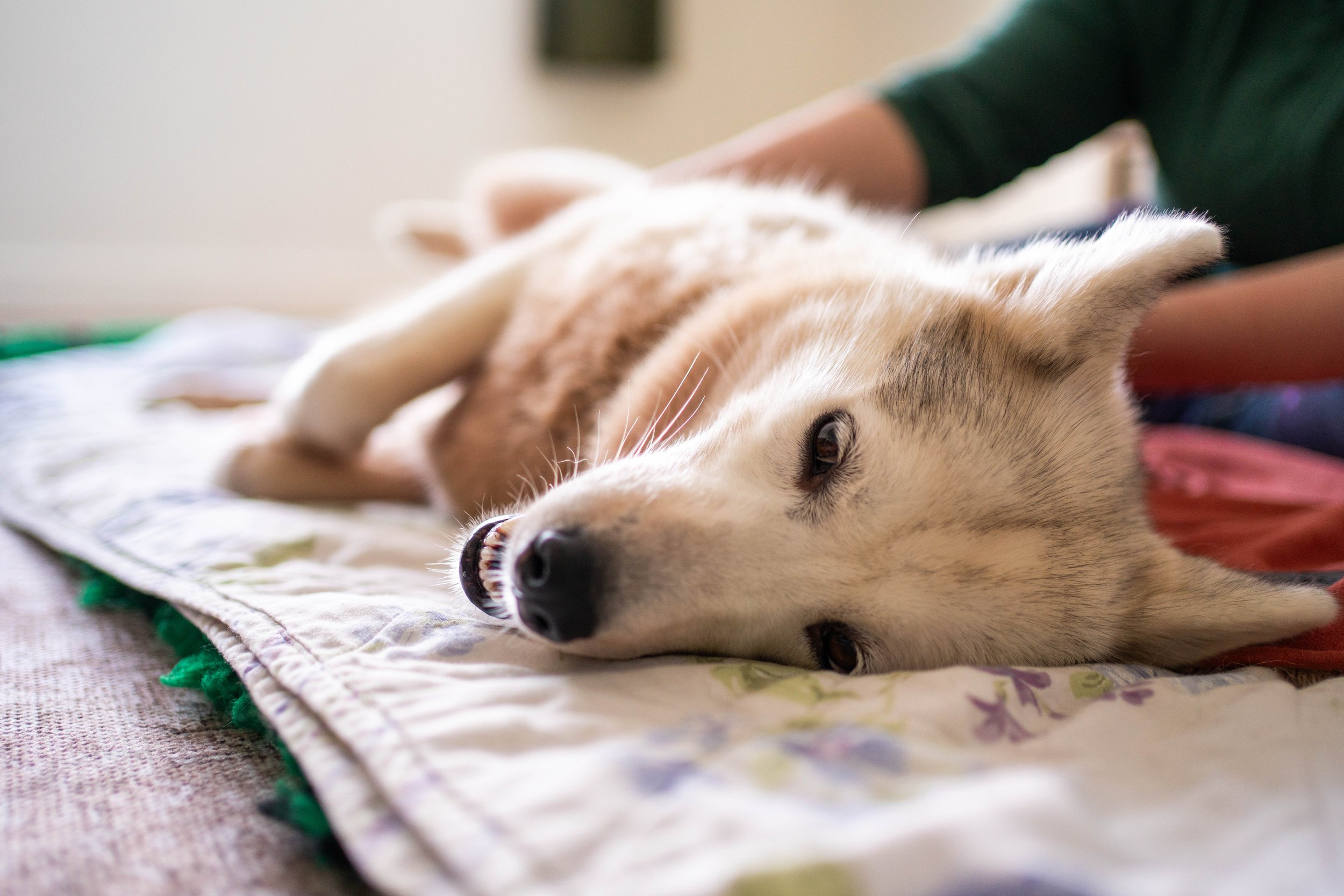
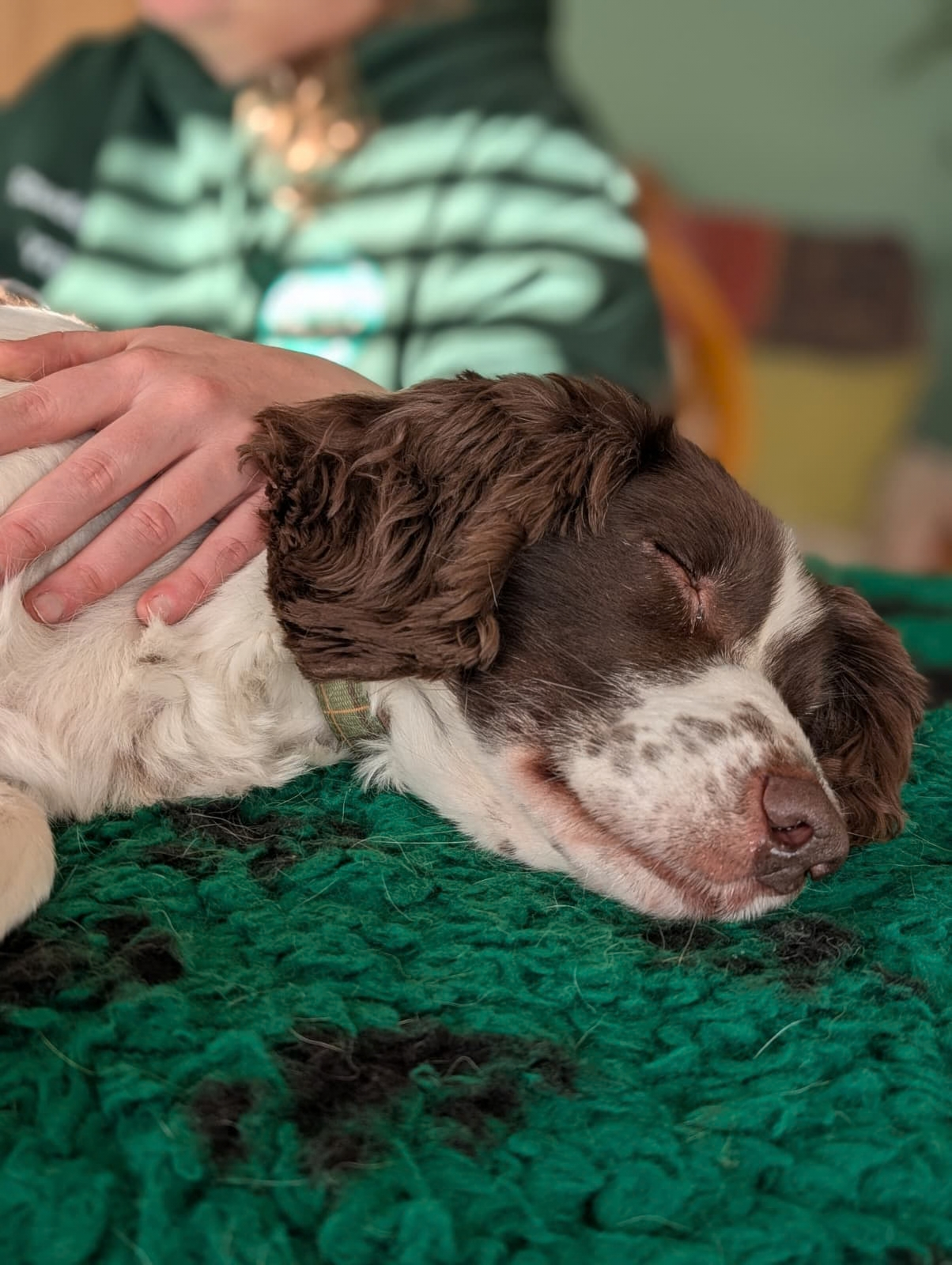
What people are saying
“After 3 treatments she is now more active and the night chewing has stopped. While she will never be sound she has improved a lot and I look forward to treatments in the future to make sure Spooky maintains her improved progress. I would highly recommend it to anyone be that for chronic pain or maintenance, it makes such a difference to the dogs.”
— Kathryn & Spooky, 6 yr-old GSD x Malinois“Sarah immediately put our girl at ease with her calm & gentle persona, and worked at the dog's pace - easing off if she was showing signs of finding it too much / too intense in certain areas. But our girl clearly loved the treatment, eagerly heading back to the massage mat every time after she'd stood up to stretch off!" - Amber and Clover
— Amber & Clover, 9 yr-old PointerSarah also helped me understand what was going on with my dogs. She explained what different muscles did, how an injury on one leg could affect the other and all the nitty gritty bits of the canine body. It was so interesting. I am so glad to have found her on my doorstep and have signed up multiple dogs with her to manage their health and injuries alongside the vet
— Kathryn & Nessa, 8 yr-old Springer Spaniel-
This is one of the most common worries, and it’s completely understandable. The short answer is: we go at your dog’s pace, not mine. There’s no expectation that they lie still, stay calm, or behave in a particular way. Some dogs take longer to settle into treatment than others, or like to take a break mid-treatment, and that’s fine. I read their body language throughout and follow their lead.
-
Dogs who are nervous, touch-sensitive, or reactive around strangers are often exactly the dogs who benefit most from this kind of work - but it does require patience and a careful approach. One of my own dogs is touch sensitive so I understand the value of working slowly to gain their confidence. If you’re not sure whether your dog would manage treatment, please get in touch before booking. We can have a conversation about how to tailor the sessions to them.
-
Under the Veterinary Act 1966 and the Exemptions Order 2015, vet consent is required before I can treat your dog. It means that your This means asking your vet to complete a short consent form - I’ll provide this and talk you through the process. Your vet completes their section; you me the form before the first appointment. It’s a straightforward step, and most vets are happy to help.
-
Pain in dogs is often subtle - especially chronic pain, which can creep in gradually. Changes in gait, posture, behaviour, or daily habits (like reluctance to jump or slower walks) can all be signs. If something feels different about your dog, it’s worth taking seriously. Read my blog here on spotting signs that your dog may be in pain
-
This varies depending on your dog, their condition, and how they respond to treatment. Many dogs start to see results within 3 treatment sessions. Some dogs show changes quickly; others need more time. I’ll always be honest with you about what’s realistic.